









The SuperJeweler Lab Grown Diamond Guide
At SuperJeweler.com, we believe buying a diamond should be exciting, not confusing. That's why we created this easy-to-understand guide - to help you feel confident about your purchase, whether you choose a lab grown or natural mined diamond.
What Is a Lab Grown Diamond?
A lab grown diamond is a real diamond - just grown above the earth instead of below it. Using advanced technology, scientists recreate the same natural conditions of heat and pressure that form diamonds in the earth's crust. The result? A diamond that's chemically, physically, and visually identical to a mined one.
Lab grown diamonds were first made in the 1940s for industrial purposes. By the 1990s, breakthroughs in technology allowed jewelers to grow gem-quality stones perfect for fine jewelry.
SuperJeweler CEO, Mr. Andrew Fox, sums it up perfectly:
“Lab grown diamonds are beautiful, fabulous, and real; effectively geologically identical to natural mined diamonds.”
And because they're created more efficiently, you can own a 2-carat lab-grown diamond ring in 14 karat gold for around $797 - often 60 to 80 percent less than a comparable mined diamond.
How Are Lab Grown Diamonds Made?
There are two main methods:
- HPHT (High Pressure High Temperature)
A tiny diamond seed is placed in carbon, then exposed to tremendous heat and pressure - over 1.5 million psi and 2,700°F - until a larger crystal grows around it. - CVD (Chemical Vapor Deposition)
A diamond slice sits in a chamber filled with carbon-rich gas. When heated, carbon atoms attach themselves layer by layer, forming a crystal.
Both processes create authentic diamonds that even trained gemologists can't tell apart without specialized instruments.
How to Choose the Perfect Diamond
When you shop for a diamond, keep the 5 Cs in mind - Cut, Color, Clarity, Carat, and Cost. These same principles apply to both lab grown and natural mined diamonds.
Lab Grown vs Natural Diamonds
At SuperJeweler, we're transparent about both. Lab grown and natural diamonds share the same sparkle, hardness, and chemical makeup. The only difference is how they form.
Andrew Fox explains it best:
“When you buy a bag of ice, do you ask if it's from a glacier? Both natural and factory-made ice are ice - it's the same with diamonds.”
So, whether you prefer a diamond grown by nature or by science, you're getting real diamond brilliance either way.
The 5 Cs Explained
- Cut: The shape and proportions that control the bending of light and sparkle.
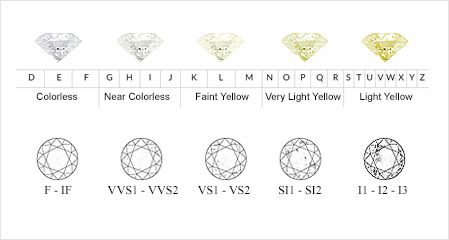
- Color: Graded D (colorless) to Z (light yellow/brown). The closer to D, the rarer.
- Clarity: Fewer inclusions = more brilliance.
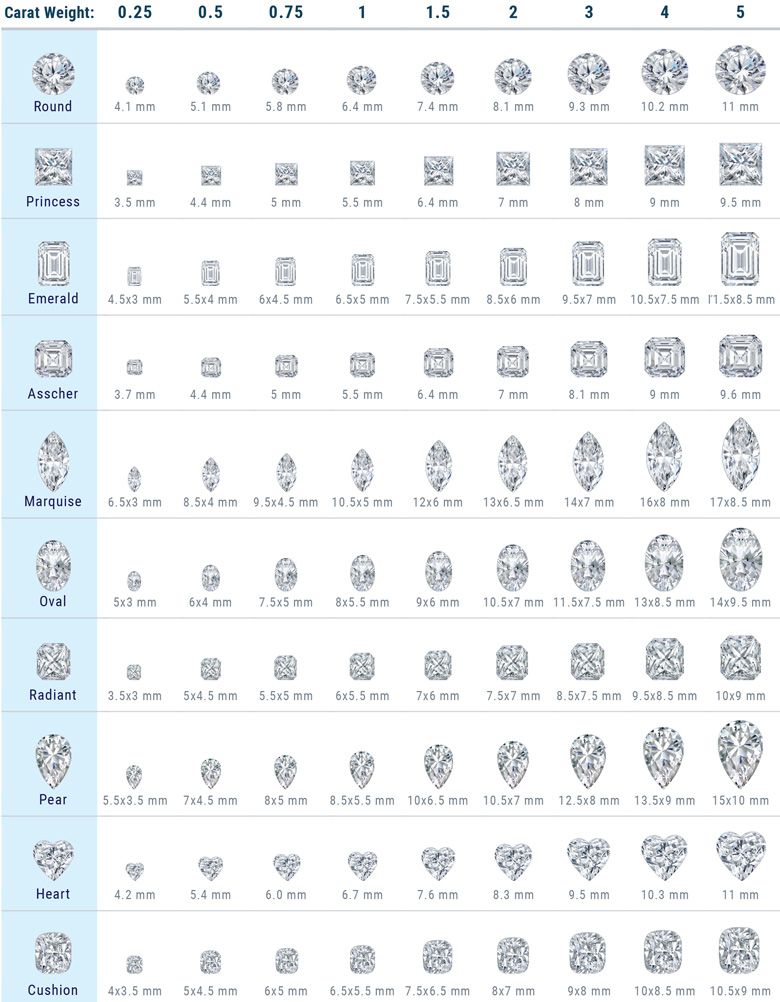
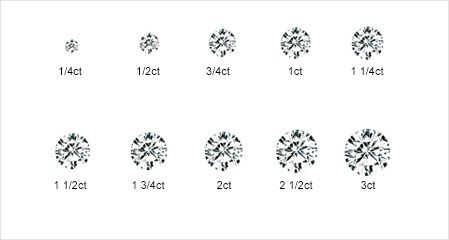
- Carat: A weight measure (1 carat = 100 points). Bigger isn't always better - balance size with quality.
- Cost: Thanks to our direct diamond industry relationships, SuperJeweler offers premium diamonds at prices far below retail.
Certification & Grading
Every SuperJeweler lab grown diamond comes with an authentic grading certificate from a respected gemological lab such as IGI, GIA, WGL or GCAL. These reports use the same grading standards as natural mined diamonds - evaluating cut, color, clarity, and carat weight - and many diamonds are laser-inscribed on the girdle for identification and transparency.
Diamond Testing & Authenticity
Sometimes jewelers use outdated testers that mistake some lab grown diamonds for moissanite. That's not because the diamonds are fake - it's because the device is old technology. At SuperJeweler, we use modern gemological instruments that accurately identify CVD and HPHT diamonds. Every diamond we sell is authentic, certified, and guaranteed real.
How to Test a Lab Grown Diamond
There's a lot of confusion online about diamond testing - especially when it comes to lab grown stones. Here's what you should know:
- Old testers often give false results.
Handheld or Pocket testers that only check thermal conductivity were designed decades ago. They may incorrectly show “moissanite” when testing a lab grown diamond. - Modern testers identify real lab grown diamonds correctly.
Professional-grade machines like the Presidium Synthetic Diamond Screener II or the Yehuda Sherlock Holmes tester can accurately detect both HPHT and CVD lab grown diamonds. - Check the laser inscription.
Every certified lab grown diamond from SuperJeweler is laser-engraved with its certificate number and “LAB GROWN” on the girdle. You can see it under magnification. - Independent verification.
If you ever want confirmation, any reputable jeweler or gem lab with advanced equipment can verify your diamond as lab grown and provide a printed report.
Your SuperJeweler diamond will always test as a real diamond using proper instruments - because that's exactly what it is.
Caring for Your Lab Grown Diamond
Lab grown diamonds are just as tough as mined ones - a 10 on the Mohs scale, the hardest material on earth. To keep your jewelry sparkling:
- Soak it in warm water with mild soap.
- Gently brush with a soft toothbrush.
- Rinse and dry with a lint-free cloth.
Avoid ultrasonic cleaners for clarity-enhanced stones but otherwise treat them exactly like any diamond.
Ethical Sourcing & Sustainability
Natural Diamonds
SuperJeweler follows a zero-tolerance policy for conflict diamonds and fully supports the Kimberley Process, which tracks diamonds from mine-to-market.
Lab Grown Diamonds
Lab grown diamonds are the most ethical, sustainable choice available today. They're created without mining, so there's no habitat destruction or labor exploitation. Every SuperJeweler lab grown diamond is eco-friendly, conflict-free, and responsibly made.
About the Kimberley Process
The Kimberley Process Certification Scheme ensures all natural diamonds entering the U.S. are conflict-free. SuperJeweler proudly supports this initiative and holds our suppliers to those same high standards.
Quick FAQs About Lab Grown Diamonds
- Are lab grown diamonds real?
- Absolutely. They're real diamonds made of pure carbon - just created in a lab.
- Do they test as real?
- Yes, with modern testers. Older testing tools may misread them as moissanite.
- Are they cheaper?
- Yes - usually 60 to 80 percent less than mined diamonds of equal quality.
- Do they hold their value?
- Like any jewelry, resale depends on market demand. But you'll always get far more beauty for your money upfront.
- Can anyone tell the difference?
- Not by sight. Only specialized lab equipment can distinguish a lab grown diamond from a natural mined one.
Why Buy from SuperJeweler
Since 1999, we've sold over 10 million pieces of jewelry to customers around the world. We combine unbeatable prices, certified quality, and honest guidance - so you can buy with confidence, whether your perfect diamond is lab grown or natural.
SUPERJEWELER DIAMOND CARAT SIZE CHART